
Fenghua at 42: The Materials Work Behind Better Passive Components
For an engineer evaluating a component supplier in China, a long company history is useful only if it helps explain the products available today. At Fenghua Advanced Technology, that connection runs through ceramic powders, metal pastes, thin dielectric layers and the manufacturing processes that bring them together.
The business began as an electronics factory in Zhaoqing, Guangdong, in 1984. Forty-two years later, capacitors, resistors and inductors remain central to its work. Its recent disclosures offer a way to assess how that experience is translating into more demanding specifications, while a visit I made in 2000 provides a more personal perspective on the company behind the parts.
From an imported production line to materials development
Fenghua's early activities included assembling radio-cassette players and processing communications wire. It entered multilayer ceramic capacitor manufacturing after importing an MLCC production line and technology from the United States in 1985.
An MLCC contains alternating ceramic dielectric layers and metal electrodes. The ceramic formulation influences capacitance and temperature characteristics; the firing process determines how well the ceramic and electrodes work together. According to the company's 40th-anniversary retrospective, Fenghua achieved a breakthrough in high-performance Y5V ceramic material for low-temperature sintering in 1994. It was an important step toward developing the materials inside its own components.
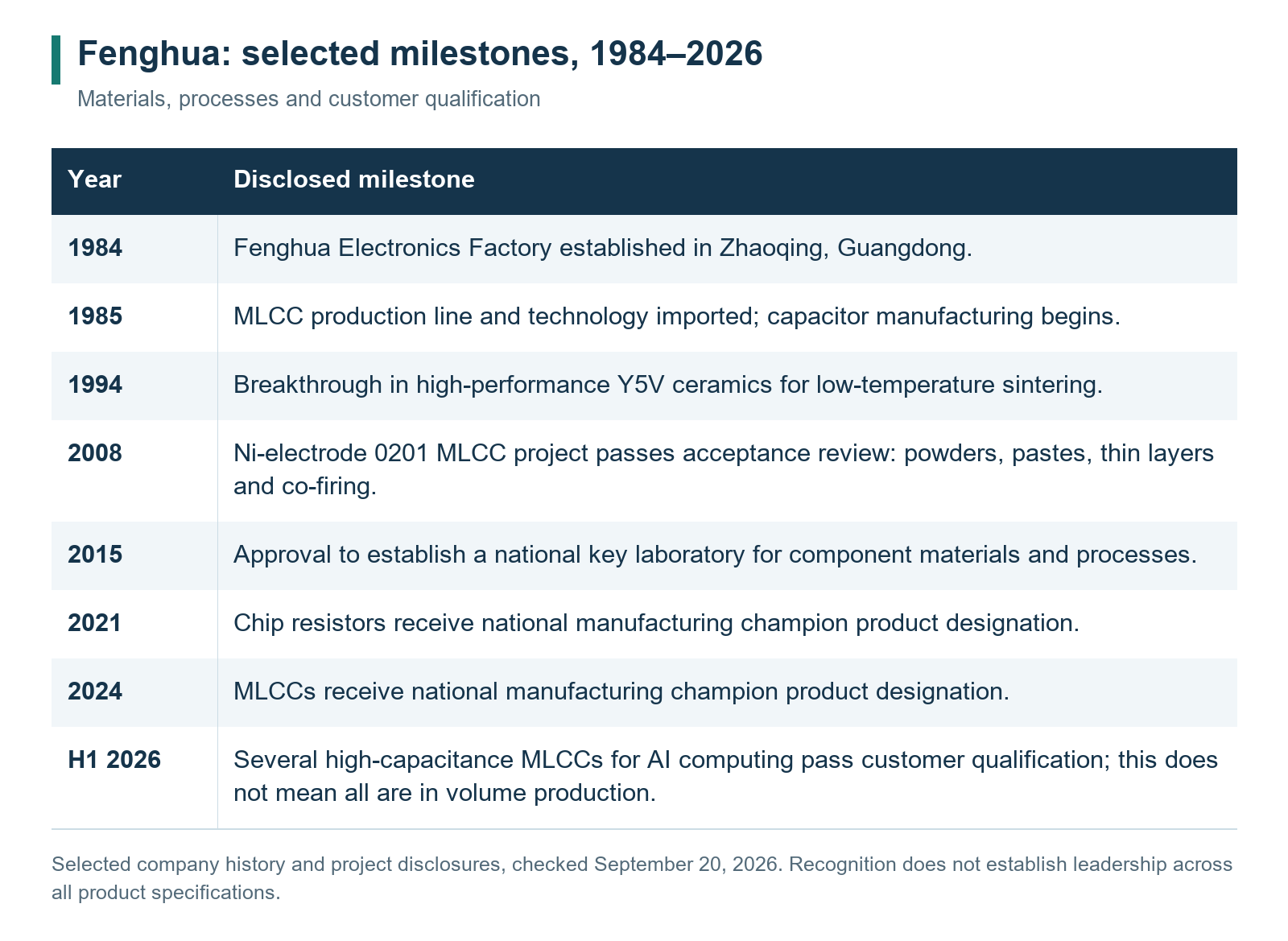
Figure 1. Selected milestones drawn from company history and project disclosures. This is not a complete corporate timeline, and recognition awards do not establish leadership across every specification.
Y5V and the dielectric systems used in other demanding applications have different operating characteristics. They should not be arranged on a simple ladder of improving performance. The lasting value of this work was the experience gained in powders, formulations and firing processes, which could support subsequent product development.
A European order, and the work inside smaller capacitors
I visited Fenghua in 2000 while working for an electronics component distributor in Shenzhen that served overseas customers. I was new to the industry, but the company took the visit seriously. A deputy chief engineer personally showed us around a clean production area.
I remember conversations about copper terminations, solderability and durability. He compared Fenghua's products with imported brands, including Samsung. As I recall his account, Fenghua had technical strengths and a price advantage, yet much less market recognition and lower sales. A few months later, I recommended its products to a European customer. The customer placed an order worth tens of thousands of US dollars and subsequently reported good quality. I later left that employer and component sales, but the experience stayed with me.
That recollection cannot establish the performance of today's products. The subsequent technical record provides a firmer basis for understanding the company's progress.
In 2008, Fenghua's development project for 0201 MLCCs with nickel electrodes passed its project acceptance review. The work covered ceramic powder dispersion, nickel internal-electrode paste, copper termination paste, thinner dielectric layers and co-firing. Making a capacitor smaller requires all of these processes to work together: thinner layers leave less room for defects, while more layers make alignment and firing consistency harder to control.
In 2015, Fenghua received approval to establish a national key laboratory focused on critical materials and processes for new electronic components. The emphasis remained on the relationship between materials and manufacturable devices.
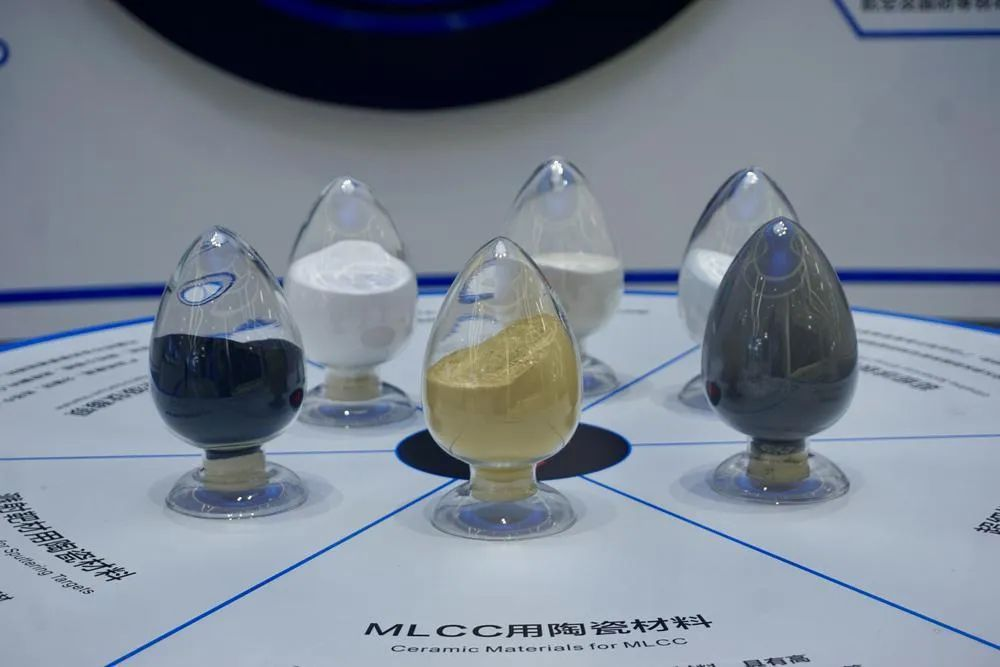
Figure 2. A ceramic-materials display published by Fenghua. It does not identify the formulation of a particular part. The original photograph and exhibit labels are preserved.
Precision resistors provide a concrete comparison
Fenghua's chip resistors received China's national manufacturing champion product designation in 2021, followed by its MLCCs in 2024. These distinctions recognize industrial capability; engineers still need product-level comparisons.
The AS series of automotive high-precision thick-film chip resistors provides one example. In a 2025 disclosure, Fenghua listed resistance tolerance of ±0.1% and a temperature coefficient of ±25 ppm/°C, and described itself as the first Chinese company to achieve volume production of this product category. The disclosed process combines high-purity alumina substrates, optimized resistive paste and precision laser trimming.
Both specifications matter in applications such as voltage sensing in battery management systems. Initial resistance error affects measurement accuracy, and resistance drift with temperature introduces another source of error.
Japan's KOA also lists ±0.1% tolerance and ±25 ppm/°C options for its RS73 high-precision thick-film resistor series. Fenghua therefore has products that can be discussed alongside an established international supplier on these two published metrics. Interchangeability still depends on resistance value, package size, working voltage and reliability requirements.
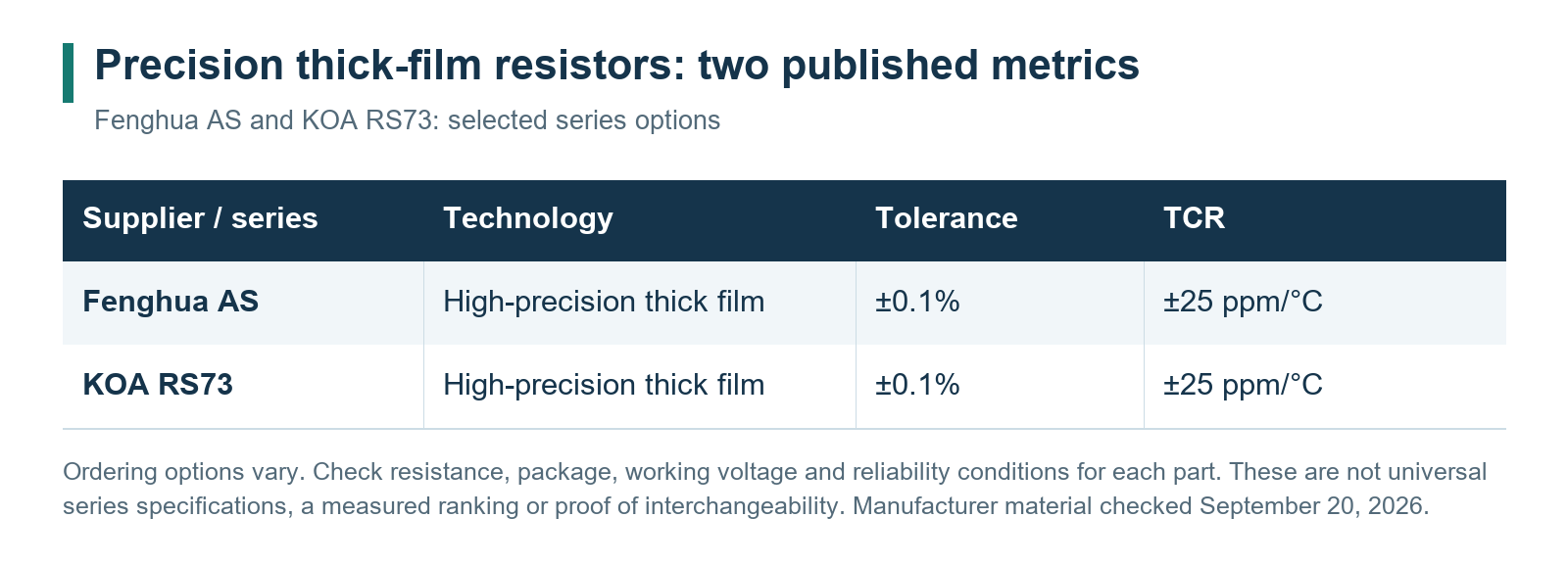
Figure 3. Selected published series specifications. Availability depends on the individual ordering option; the combination is not universal across either series. This is not a measured performance ranking.
Sulfur resistance is another area of work. Sulfur-bearing environments can attack silver electrodes and affect electrical continuity and resistance stability. A Fenghua patent concerning anti-sulfur chip resistors received a China Patent Silver Award in 2025. For automotive and industrial equipment intended to operate for many years, protective structures and processes deserve attention alongside precision specifications.
Higher-capacitance MLCCs bring several challenges together
In an August 2026 technical introduction, Fenghua described calcium-doped barium titanate, rare-earth-doped core-shell structures, 0.8-micrometer dielectric layers and precision stacks exceeding 1,000 layers. These disclosures address materials performance, thin-layer manufacturing and capacitance density.
The engineering difficulty lies in achieving these capabilities together. Thinner dielectrics require tighter defect control. More layers increase the demand for consistency. Capacitance, voltage rating and reliability must all fit within a specified package.
International suppliers continue to advance as well. Murata's GCJ21BD72A225KE02, introduced in June 2026, combines 2.2 µF and 100 V in an imperial 0805 package, with an X7T temperature characteristic and flexible terminations. It is a concrete example of combining capacitance, voltage rating, miniaturization and mitigation of board-flex stress. It serves as a reference for the development challenge, rather than a claim that Fenghua offers an identical part.
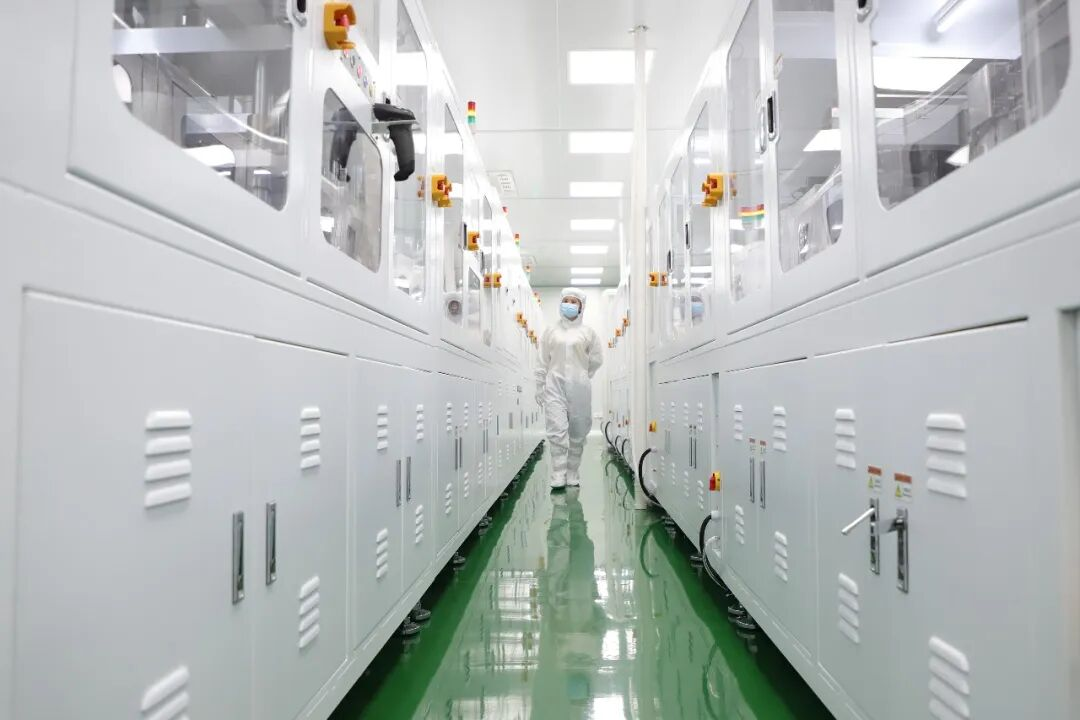
Figure 4. A production image from Fenghua's 2026 introduction to medium- and high-voltage, high-capacitance MLCCs. It is not a photograph of the author's 2000 visit.
Fenghua's 2025 annual report identified very-high-capacitance MLCCs, high-end resistors and multilayer inductors as areas for continued development, supported by work on materials, processes and equipment. For the first half of 2026, the company reported that several high-capacitance MLCCs for AI computing had passed customer qualification. It also reported stable volume production of automotive alloy resistors and large molded power inductors. Those are different stages for different products; qualification of one group should not be read as volume production of all of them.
On my desk, I still have the Duan inkstones I brought back from Zhaoqing more than two decades ago. They remind me of the engineer who took the time to discuss his products with a young visitor, and of his hopes for the business.
For customers meeting Fenghua today, trust will come from current specifications, qualification results and consistent deliveries. I hope the care I encountered in 2000 continues to show up in that work. After 42 years, there is still much to make, test and improve.
Based on public information verifiable as of September 20, 2026, and the author's personal recollections. Historical conversations are presented as memories. Product specifications are discussed for technical context; application decisions require current manufacturer documentation and validation.