
DDR4 spot prices have climbed sharply over the past two months, but market activity has not risen with them. TrendForce data put the August 25 average spot quote for mainstream 8 Gb (1G x 8), 3200 MT/s DDR4 chips at USD 43.377, up 20.2% from USD 36.10 on July 1.
The price curve looks like a buying rush. Trading reports from late July through mid-August tell a different story: buyers were waiting, high offers lacked broad acceptance and completed transactions remained limited. Quotes rose while physical inventory moved slowly. DDR4 had entered an unusual price-up, volume-down stalemate.
This does not mean nobody needs DDR4. It reflects a negotiation gap. Downstream buyers do not want to chase expensive stock, while upstream holders feel little pressure to cut prices. Asking prices and executable transaction prices have drifted apart.
1. A 20% move in one spot indicator is not the whole DDR4 market
The 20.2% increase applies to one spot-market chip specification. It is not a price index for every DDR4 product and channel. It is neither the long-term contract price negotiated between memory makers and large customers, nor the module maker's factory price, nor the retail price of a finished DIMM. Each layer has a different cost and negotiation structure.
Contract pricing is tied to purchase volume, allocation and delivery schedules and is generally more stable. Spot pricing reflects short-term channel availability, where participants and inventory provenance vary and volatility can be much higher. A finished memory module also includes the PCB, SPD components, assembly and test, brand margin and channel margin. Its price cannot be inferred directly from the spot quote for bare DRAM.
An industry average is useful for direction, not as a purchase order. On August 25, quotes for the same DDR4 category ranged from USD 23.50 to USD 74.00. Public data did not disclose transaction counts or weighting methodology, so the average alone cannot show whether the move was broad-based or lifted by a small number of high offers. One percentage change is not evidence of a market-wide shortage or a broad rush to secure volume.
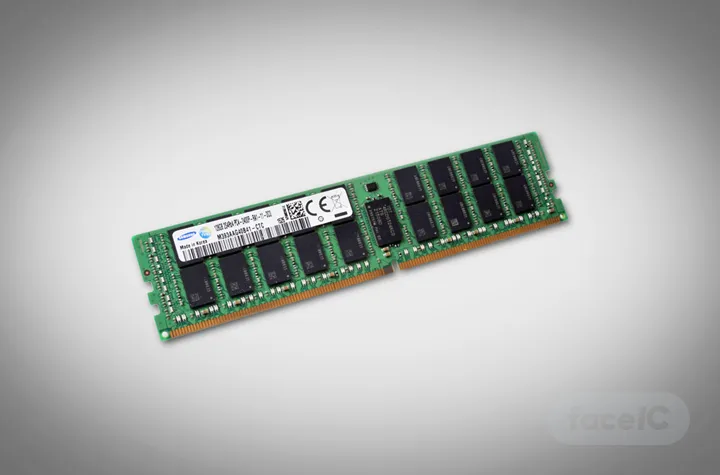
2. Supply reduction supports offers while weak end demand suppresses trades
The main driver is not a sudden surge in PC demand. Samsung, Micron and SK hynix continue to direct capacity and engineering resources toward HBM, DDR5 and server products, reducing the allocation available for mainstream consumer and general-PC DDR4. TrendForce's July market report also noted tighter access to PC-grade DDR4 chips for module makers, which constrains channel spot supply.
That reduction gives sellers a reason to defend higher offers and avoid clearing inventory at a discount. Demand has not strengthened at the same pace. PC demand remains modest, higher component prices weaken end-market purchasing power, and module makers and distributors are wary of carrying expensive inventory that could later be written down.
The mismatch is therefore straightforward: upstream sellers use tighter supply to hold price, while downstream buyers use weak end demand to resist it. The result is a rising quote with thin turnover. This is a supply-led increase, not a demand-led boom.
3. DDR4 is not disappearing all at once
Another common mistake is to explain the rally as the complete shutdown of DDR4. The market is splitting instead: mainstream consumer capacity is contracting while long-life industrial production continues.
Standard PC and consumer part numbers are seeing reduced capacity, and some are moving through end-of-life programs. Automotive, industrial-control, medical and aerospace designs have multi-year qualification cycles and high replacement costs, so they still require stable long-term supply.
Micron's capacity plan for its Manassas facility illustrates the distinction. The site is adopting the 1-alpha DRAM process for mature, long-life products including DDR4 and LPDDR4. Stable-yield production is expected by the end of 2026, and planned DDR4 wafer capacity is four times the previous level. Micron's own DDR4 portfolio also contains several lifecycle states at once: active production, selective sales, planned discontinuation and obsolete.
The real market therefore contains three simultaneous trends: tighter and more expensive general-purpose chips, continued supply of industrial and long-life products, and faster retirement of older devices. There is no single retirement date for the entire generation.
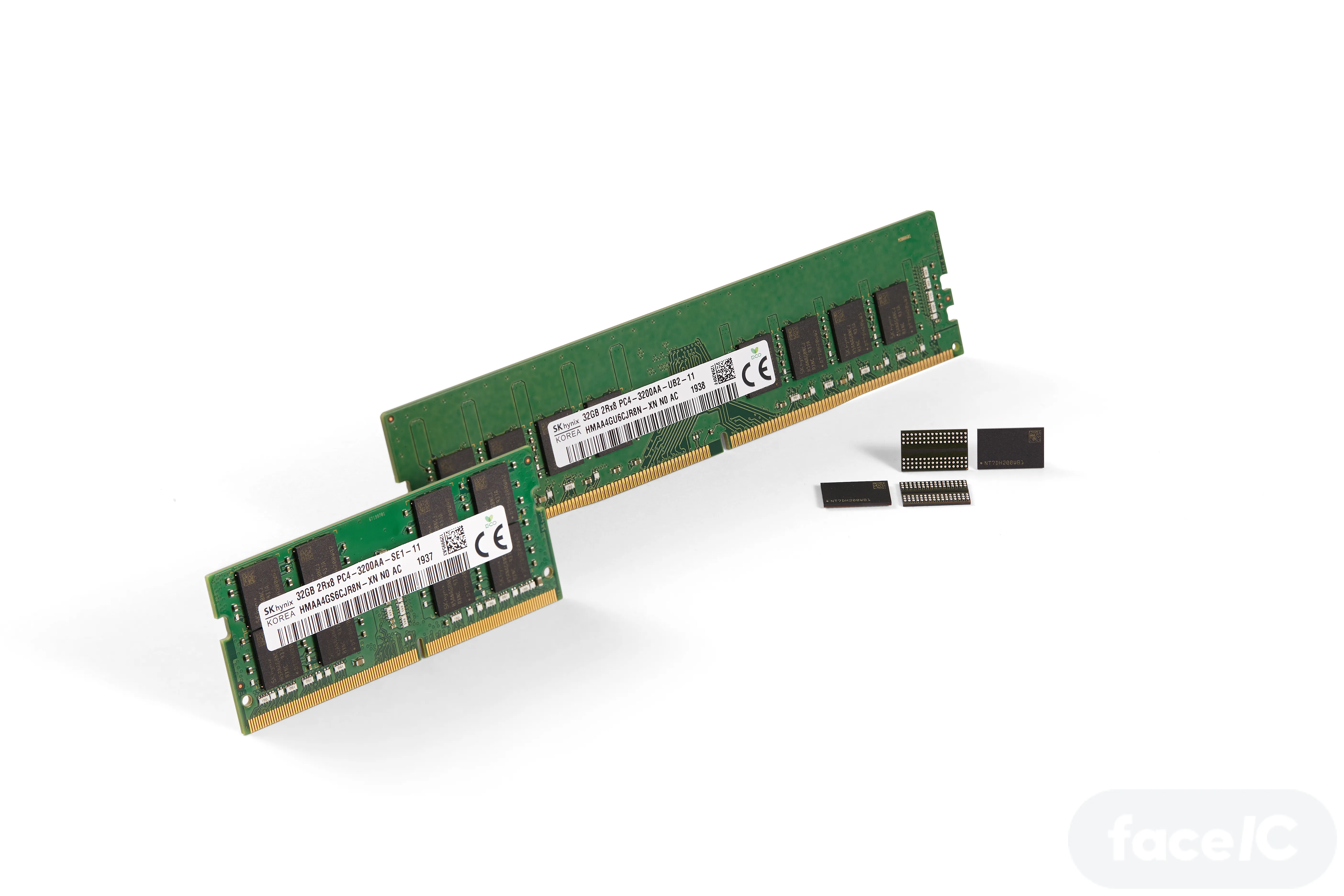
4. Procurement should follow the part lifecycle, not the average quote
Spot averages help reveal direction, but they are not a BOM-selection or stocking rule. As DDR4 moves deeper into a late-lifecycle phase, status and supply tiers become more fragmented, making broad specification labels increasingly risky.
For an installed product, first confirm the manufacturer's lifecycle status, PCNs and last-time-buy date. Then verify package, die organization, speed grade and temperature range. At module level, distinguish RDIMM, UDIMM and SODIMM; check ECC, rank configuration and SPD compatibility. "8 Gb DDR4-3200" is not a complete production specification.
A replacement also requires more than matching density, speed and package appearance. Validation should cover motherboard training, timing margin, signal integrity, power stability, temperature cycling, long-duration stress and lot-to-lot consistency. Channel inventory requires additional scrutiny of source, date code, original packaging and traceability. A sample that boots is not proof that the same source can support volume production.
New designs face a longer-term tradeoff. Remaining on DDR4 can avoid hardware and software redesign, but it increases exposure to shrinking supply, higher prices and discontinuation. Moving to DDR5 aligns with the future platform roadmap, but may require a new processor or controller, PCB layout, power architecture and qualification cycle.
Conclusion
DDR4 is no longer following the simple pattern in which supply, demand, price and volume rise or fall together. Capacity is shifting toward HBM, DDR5 and server memory, supporting higher DDR4 spot offers. Weak end demand and buyer caution constrain actual turnover, creating a high-price stalemate with limited volume.
Procurement and engineering teams do not need to guess the next weekly quote. They need three verified facts: the lifecycle status of the exact part number, the amount of traceable inventory that can actually be purchased, and the complete validation time required for a substitute. In a mature-memory transition, avoiding a line stop is worth more than catching a short-lived price move.
Disclaimer: This article is based on public information and is for industry discussion only. It is not investment, procurement or part-selection advice. Confirm price, product status, supply capacity and lifecycle information with the manufacturer, customer and authorized channel.