Electrolytic Capacitor Makers Differ Widely in Size, Yet Each Has a Market
In the first half of 2026, China's Jianghai Capacitor reported about RMB 2.498 billion in revenue from aluminum electrolytic capacitors. Zhaoqing Beryl, a much smaller listed producer, reported about RMB 154 million from the same broad product category. The difference is roughly sixteenfold. Their product mixes and customers differ, so the revenue gap cannot stand in for a technology ranking or market-share estimate. Suppliers at both scales keep winning orders because power-electronics customers specify very different electrical duties, packages and service obligations within the same component family.
The comparison also shows why casual industry rankings are unreliable. Aihua Group, whose capacitor brand is AiSHi, reported about RMB 2.27 billion in first-half revenue, including film capacitors, electrode foil and other businesses. Comparing that group total with Jianghai's aluminum-electrolytic revenue changes the denominator. Many private producers publish no comparable product-level revenue at all. Engineers and sourcing teams select a particular capacitor for a particular circuit position, service life and supply obligation; a corporate total answers a different question.

Figure 1 | Aluminum electrolytic capacitor revenue disclosed in the companies' first-half 2026 reports, converted to RMB billions. Product and customer mixes differ; this is a revenue comparison, not a technology ranking.
1. The same capacitor label covers very different purchases
In an ordinary consumer power supply, an aluminum electrolytic capacitor commonly provides bulk energy storage after rectification and smooths low-frequency ripple. Buyers compare capacitance, voltage, dimensions, price, lifetime and delivery consistency. In a server supply or an automotive on-board charger, ripple current, internal heating, vibration, temperature range and the consequences of failure carry more weight. Two parts with the same rated capacitance can behave differently over years of operation because their electrode foil, electrolyte or polymer system, sealing and thermal path differ.
That spread of requirements leaves room for producers of different sizes. Large runs of standard values reward automation and material purchasing scale. A special diameter, height, terminal layout, mounting position or temperature condition may involve fewer units but more application work with the power-supply designer. Some customers retain more than one qualified source for continuity; equipment already in the field may also require a part that fits an established footprint. A nearby engineering team can respond to sample changes and field failures quickly. These are real orders, though often concentrated in a small number of circuit positions and part numbers.
Even the phrase “aluminum electrolytic” hides several competitive arenas. Liquid-electrolyte, conductive-polymer solid, hybrid and multilayer polymer parts use related aluminum-electrolytic technology, but they address different voltage, impedance and package constraints. Jianghai's 2026 interim report discussed upgrades and capacity expansion in hybrid capacitors and multilayer polymer capacitors, or MLPCs. AiSHi discussed high-voltage snap-in, hybrid and multilayer products. A product catalogue shows what a company is developing or offering. Testing, certification and customer acceptance determine whether a specific part can enter an automotive or server project.
2. Specialists win at specific circuit positions
Beryl offers a public financial example of a smaller supplier's operating choices. It reported about RMB 154 million in aluminum-electrolytic revenue and RMB 37 million in supercapacitor revenue for the first half of 2026. The second figure is an adjacent business and should not be folded into aluminum-electrolytic sales. The company described solid, hybrid and multilayer capacitors alongside supercapacitors, with production organised around orders and forecasts, MES management and lines that can be adjusted for specifications. As the number of small-batch variants rises, purchasing, tooling and inventory have to move with the orders. Otherwise, engineering flexibility is consumed by changeovers and obsolete stock.
Dongguan Chuanghui Electronics serves a fast-moving consumer-power chain. In a 67 W fast-charger example it published in January 2026, two 400 V aluminum electrolytics serve input-side energy storage and filtering, while a separate 50 V part supplies the controller. These are three capacitors in one product, yet their electrical duties and validation priorities differ. A supplier in this market needs stable volume production of common sizes and the ability to adapt height, lead geometry and assembly details. Serving large batches and rapid design iterations could lift sales volume. The published charger example alone does not show whether that has happened.
Zhuhai Huaguan has pursued automotive applications. Company material published in November 2025 described its shift from consumer capacitors and the addition of test capability and linked automation for heat, vibration and lot consistency. It said about 60% of Huaguan's products went to automotive applications, while the AI-server business discussed in the material was still at the sampling stage. A mid-sized maker can apply methods developed for a demanding automotive program to another field, provided the new customer accepts the quality evidence and the product meets its own duty cycle.
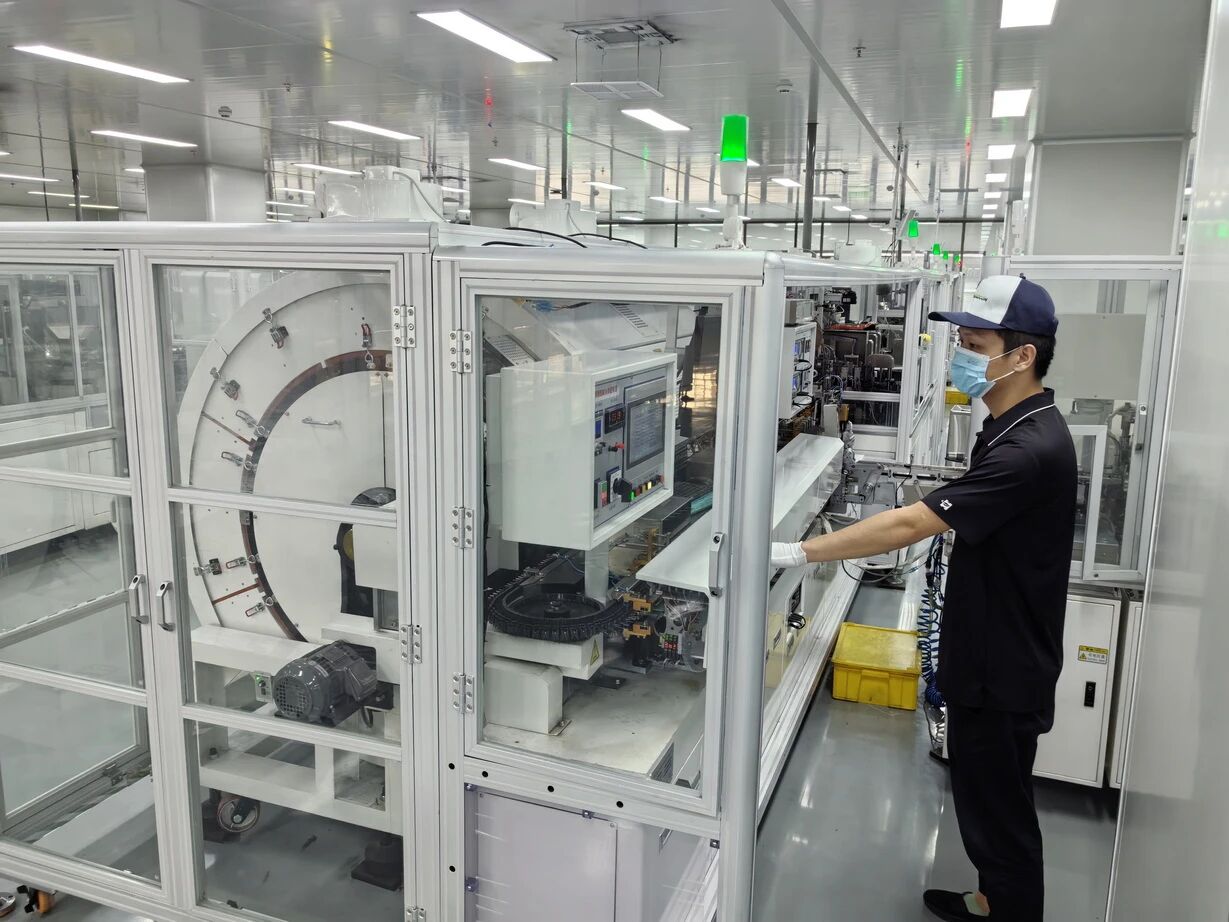
Figure 2 | Automated production equipment shown in Zhuhai Huaguan's November 2025 company material. The photograph documents a manufacturing setting; it does not identify a specific customer program supplied by this line.
CapXon occupies another position. The group is headquartered in Hong Kong, has a manufacturing base in Shenzhen and maintains overseas sales locations. In August 2026, it introduced low-profile aluminum-electrolytic and conductive-polymer products measuring 6.3 mm in diameter and 3.9 mm in height for height-constrained board power. Reducing height changes the room available for the element and its heat path. Engineers still need to check effective capacitance, ESR, ripple current, soldering and lifetime. The commercial prize is to be specified early in the equipment design. Whether that prize turns into repeatable profit depends on how many projects can reuse the same outline and performance range; each unique design carries changeover and stock costs. The lower profile alone does not establish substitution for comparable Nichicon parts or permit an estimate of sales volume.
Shanghai Ymin's 2026 application material takes a duty-cycle route. It proposed VHT and NHX hybrid capacitor solutions for 48 V/54 V robot joint-motor DC buses, and described the LKL(R) aluminum-electrolytic series for hot, vibration-prone automotive cooling fans. These publications show where the company is developing and promoting products. A new customer must still validate ripple, temperature rise, lifetime and mechanical stress in its own design; an application note is not a purchase order. Fulong Electronics similarly promoted its FBW hybrid series for hot secondary filtering in compact fast-charge modules. The engineering need is concrete: components sit near heat sources with little board area. The published module discussion is promotional application material, not an independent before-and-after test showing what adoption of FBW achieved.
Changzhou Huawei represents a manufacturing-led route. In April 2026, a local industry authority reported that its automated aluminum-electrolytic line-upgrade project passed a municipal review. The scope included upgrades to ordinary-product lines, ripple-resistant structures and consistency control. Passing that review does not establish a measured improvement in yield or sales. It does identify an investment that customers can eventually test through tighter lot-to-lot performance and more dependable delivery of existing parts.
These examples are deliberately different. One company manages many small orders; another supports charger assembly; another assumes automotive quality obligations; others pursue low height, a defined operating condition or better process control. For private manufacturers, a catalogue and an application article show direction. Repeat purchases, returns, inventory and cash collection are stronger tests of whether the niche works as a business.
3. The larger Chinese groups already compete across the global chain
Jianghai and AiSHi are more than large domestic suppliers. In a 2024 investor presentation, Jianghai cited an industry assessment that placed its aluminum-electrolytic business third globally at that time. An older AiSHi annual report cited research placing it fourth in 2018. Those statements refer to different years and cannot be combined into a live 2026 league table. Jianghai's 2026 interim report described a portfolio spanning aluminum electrolytics, film capacitors and supercapacitors for power electronics. AiSHi described its aluminum-electrolytic position as leading domestically and among the global front ranks. Their competitive set includes Nippon Chemi-Con, Nichicon and Rubycon, with competition extending from materials to product platforms and customer design cycles.
Jianghai reported first-half 2026 revenue of about RMB 2.498 billion from aluminum electrolytics, RMB 311 million from film capacitors and RMB 249 million from supercapacitors. The company also described work on etched-foil capacitance, conductive-polymer materials, automated snap-in lines for data-center products, hybrids and MLPCs. The three device families can address different positions in the same power customer's bill of materials, creating opportunities to connect design support, testing and service. Their revenues still need to be counted separately. AiSHi is moving its aluminum-electrolytic business toward industrial control, new energy and data centers while developing film capacitors as a second core line. It reported that industrial-control and new-energy products made up 54% of its main-business revenue in the first half of 2026. That share indicates a change in customer exposure, but it is not an aluminum-electrolytic-only figure.
Dongyangguang extends the comparison upstream. Its 2026 interim report described a chain from electronic-grade aluminum foil through etching and formation to capacitors. It supplies materials to overseas capacitor makers and manufactures liquid and conductive-polymer solid aluminum electrolytics itself. The company reported approximately RMB 213 million in combined first-half revenue from laminated formed foil and laminated-foil capacitors. Because this is a combined material-and-device line, it cannot all be presented as finished-capacitor sales. Dongyangguang can participate in value created when global producers need higher-capacitance and more consistent foil, even where its finished capacitors are not contesting the same part number as Jianghai or AiSHi.
The next gap is often sustained production rather than a single sample specification. A power-supply customer tests hotspot temperature under rated ripple, lifetime assumptions, cold start, soldering effects and the distribution of results across lots. A supplier entering a global platform must also manage change notices, trace an abnormal batch and plan end-of-life supply across plants and regions. A successful sample, purchasing by one factory and continuing cross-regional supply are distinct stages. Jianghai's aluminum-electrolytic gross margin was 27.04% in the first half of 2026; its materials, applications and customers make that a company-specific measure, not an industry average.
For a specialist, the arithmetic is less forgiving than a catalogue may suggest. A nonstandard order can command a higher unit price while consuming more engineering, line time, dedicated stock and after-sales support. Standard parts make larger production batches possible but expose the supplier to the leaders' purchasing and automation advantages. Reusing the same package and validation method across several customer projects is what can turn application service into operating leverage. The limit becomes visible when a customer's procurement expands from one factory to a global platform: spare capacity, common part-number control and regional quality response require substantial fixed investment.
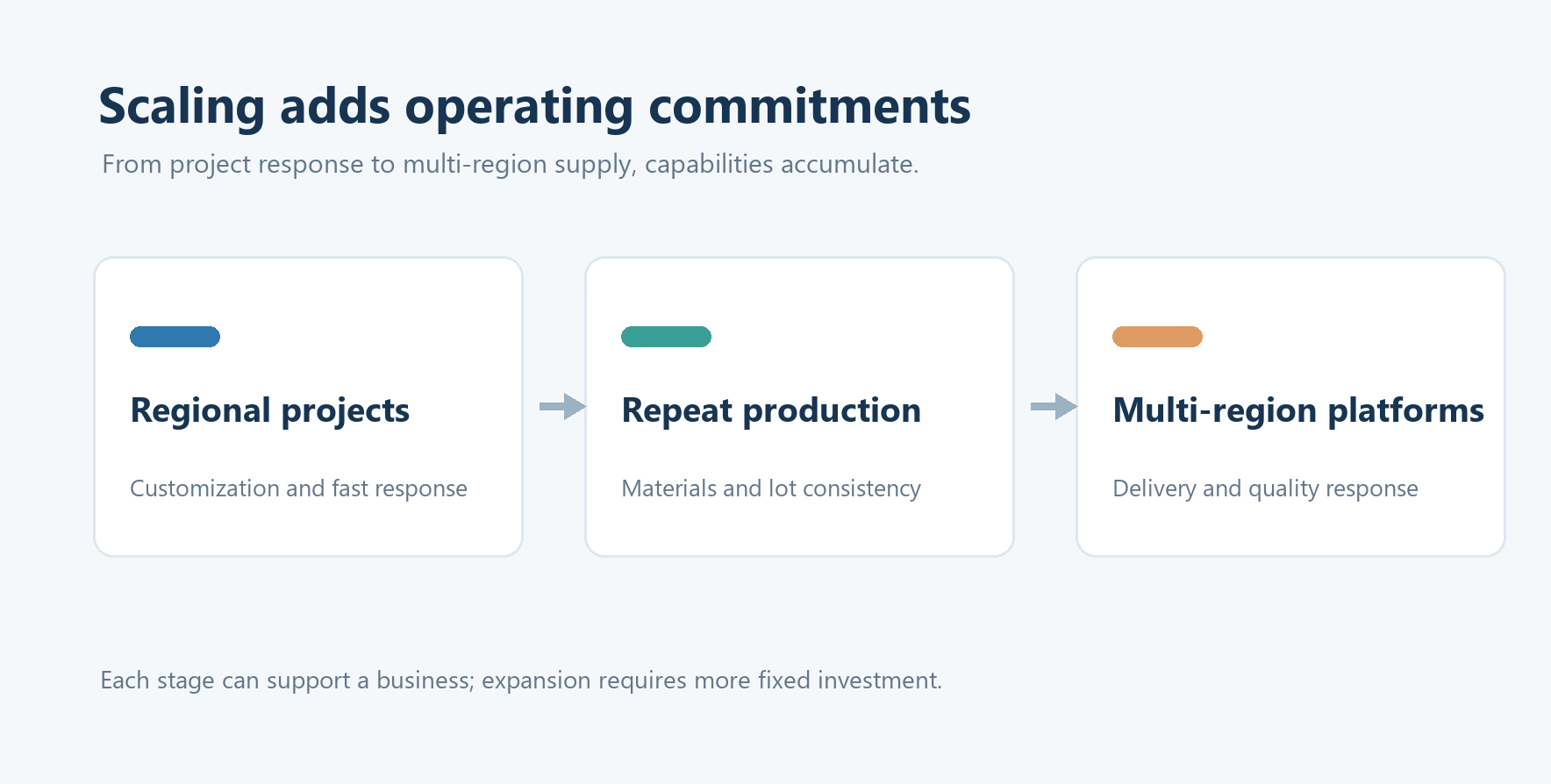
Figure 3 | Conceptual progression from local project response to repeated production and multi-region supply. Each level can support a business; moving upward raises the required investment. The diagram is not a company ranking.
4. Growth lies in harder power-supply positions
Demand for more capable power electronics has not removed aluminum electrolytics. It has pushed suppliers toward more precisely defined duties. Nippon Chemi-Con's 2026 range included large-capacitance aluminum electrolytics for AI servers as well as high-voltage, high-capacitance and immersion-cooling-oriented products. In May 2026, Nichicon introduced its KBA multilayer conductive-polymer aluminum solid capacitor, less than 2 mm high, for the output side of processor multiphase power supplies. The company also gave a production-start plan. Higher-temperature and lower-ESR versions described at the time remained development plans. The two companies chose different electrical positions but both used materials, internal structure and packaging to meet a defined system constraint.
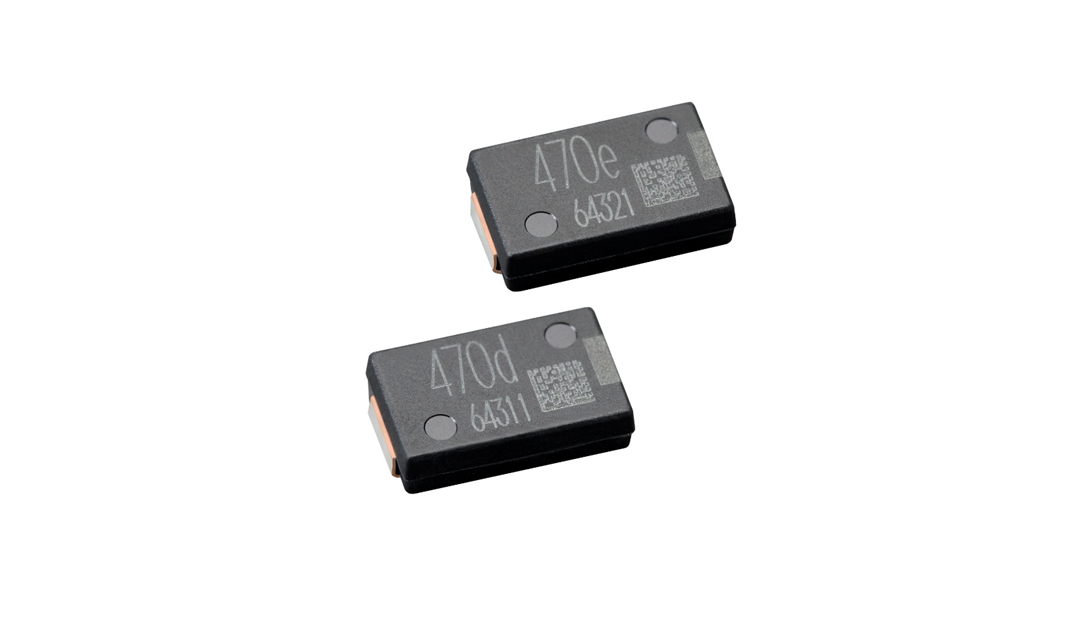
Figure 4 | Original Nichicon product image from its May 2026 KBA announcement. The low-profile package addresses limited height near a processor power stage; planned variants should not be treated as released products.
For Chinese producers, a practical development sequence follows the design work. Electrode foil, polymer and seal materials first have to deliver stable high-temperature, high-ripple and lifetime behavior. Datasheet limits then have to survive measurement on the customer's board: ripple waveform, hotspot temperature, available space and expected service life. Finally, the result has to repeat from lot to lot. A broader portfolio can help a supplier serve more of the same power-electronics customer, but each device family and each circuit position still needs its own project qualification.
Larger producers seeking further revenue growth must join the power-architecture discussion early enough to influence dimensions, thermal design and life targets, then support change control and failure analysis after production starts. A specialist has a different expansion order: establish a reusable validation package for one clear duty, then extend it to a neighboring application or package. Investment in materials, automation and overseas service has to be supported by the expected duration and volume of the target projects.
5. Substitution risk moves by circuit position
The most visible pressure is in low-voltage, board-level power. High-capacitance MLCCs offer low ESR, low ESL and a low profile close to fast-changing loads. In its 2026 data-center power material, TDK placed high-voltage MLCCs in bypass, snubber and resonant positions and listed 75 V to 100 V high-capacitance MLCCs as candidates on 48 V outputs. The same material still showed large aluminum electrolytics used in parallel with MLCCs. Bulk energy buffering and high-frequency decoupling often require different components. An engineer considering substitution must calculate effective MLCC capacitance under DC bias, parallel anti-resonance, control-loop stability and the total bill of materials cost.
Another pressure point is the high-voltage inverter DC link. Kyocera AVX introduced its FFLK film capacitor in 2026 for traction and industrial motors, emphasizing surge handling, low ESR and lifetime. High voltage, heavy ripple and long maintenance intervals can favor film. Aluminum electrolytics can remain attractive where substantial stored energy, space or cost constraints dominate. The outcome depends on bus voltage, ripple spectrum, thermal conditions and acceptable maintenance intervals; it is not transferable unchanged from one inverter topology to every industrial drive or energy-storage converter.
The third shift occurs inside the aluminum-electrolytic family. Solid, hybrid and multilayer products can take high-frequency output positions from traditional liquid-electrolyte parts while remaining markets that electrolytic specialists can serve. The exposed business is the one concentrated in commodity liquid parts without convincing ripple and lifetime data, materials capability or application support. Once a customer's circuit moves to MLCC, film or polymer, competing only on the old liquid part's price offers little protection.
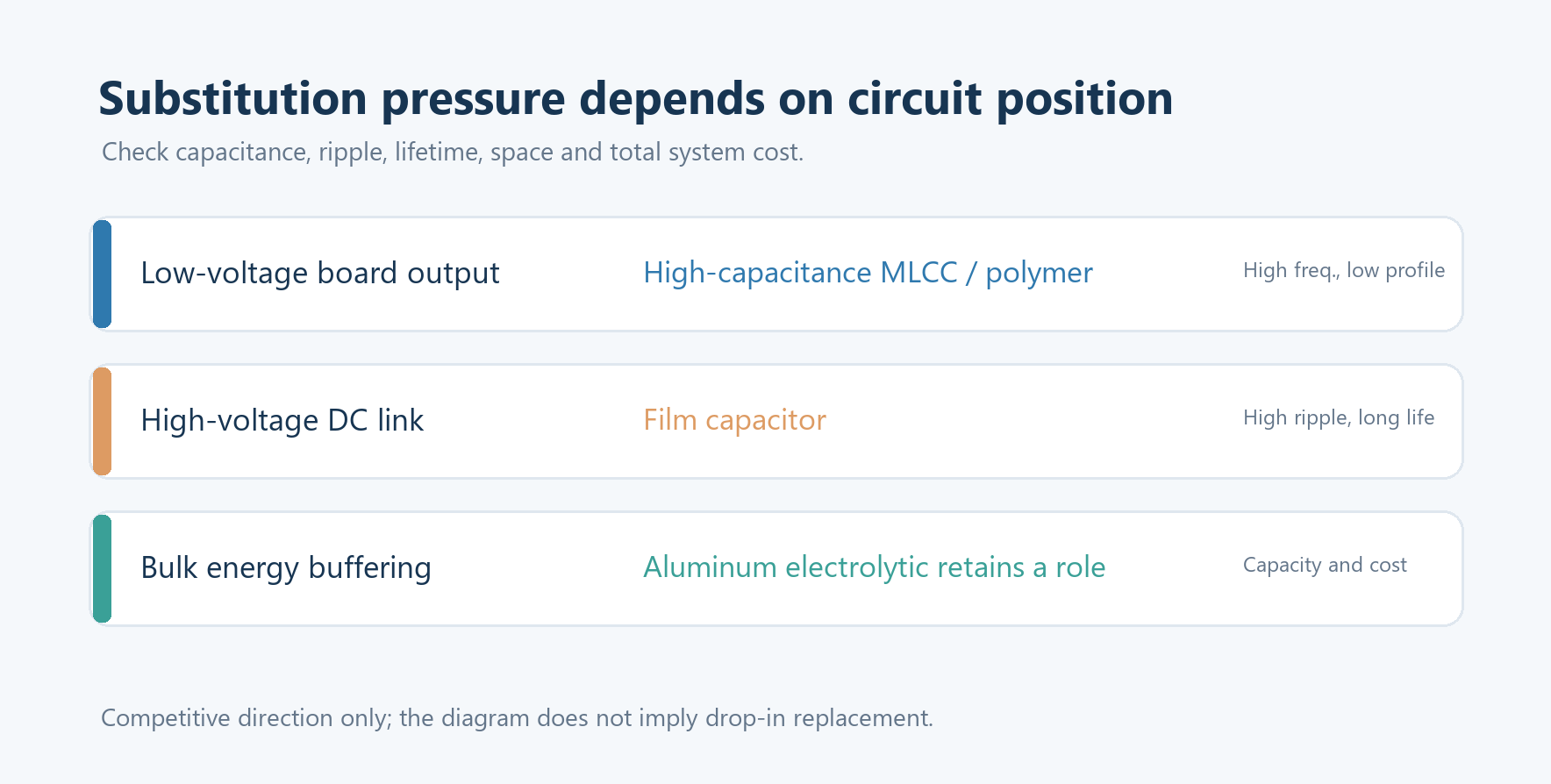
Figure 5 | Competitive direction by circuit position. The diagram does not imply drop-in replacement; capacitance, ripple, lifetime, space and system cost must be checked in the actual design.
What the size gap really measures
Electrolytic-capacitor suppliers coexist because customers buy a bundle of conditions, not a capacitance value alone. Ripple, lifetime, size, qualification, delivery continuity and quality response determine who can supply a particular design. Jianghai, AiSHi and Dongyangguang compete across global device and materials chains. Chuanghui, Huaguan, Ymin, Fulong and Changzhou Huawei seek durable positions in particular packages, operating conditions and customer projects. CapXon's low-profile launch shows that even a producer with manufacturing and sales across regions must keep winning new board space.
The next contest takes place closer to the power architecture. Some low-voltage board positions will favor MLCCs, some high-voltage, high-ripple DC links will favor film, and liquid electrolytics at high-frequency outputs face polymer and hybrid alternatives. Aluminum electrolytics as a family retain roles where capacity, lifetime and system cost fit the design. Each manufacturer has to prove that fit one part number and one production program at a time. Public launches and qualification statements indicate direction; sustained volume and repeatable quality determine the revenue.
This article draws on public disclosures available through October 2026. It discusses product and industry competition and does not recommend a specific part substitution or investment decision.